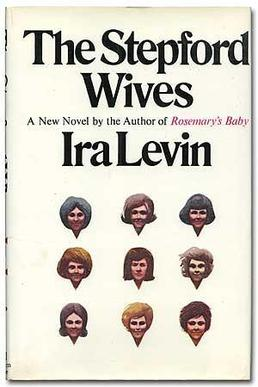
The Stepford Wives by Ira Levin
I fully expected Ira Levin’s dystopian novella, The Stepford Wives, to date badly – perhaps in the way it portrays women or the power dynamic in spousal relationships – but it felt unnervingly contemporary and somehow more relevant than ever.
The story begins with the novella’s protagonist, Joanna, moving to the suburb of Stepford with her husband and two children, hoping for a wholesome life away from the city. Joanna has an uneasy relationship with her role as housewife; she loves her family and sees the necessity of staying at home, but she doesn’t want it to become her identity in any way. To retain some semblance of herself, Joanna sets up a dark room in the basement not long after the move to continue her freelance photography.
As the family settle into Stepford, Joanna notices that her community seems a little old-fashioned. While the husbands go to work, all of the wives keep house, and they don’t do a lot else. The women are all beautiful, immaculately dressed, cordial and have little time for anything other than housework and raising their children. Joanna finds some solace in her quirky neighbour, Bobbie, who’s endearingly messy and also thinks the Stepford wives are backward and boring, but is it just the culture of the ‘burbs? Or is there something more sinister at play?
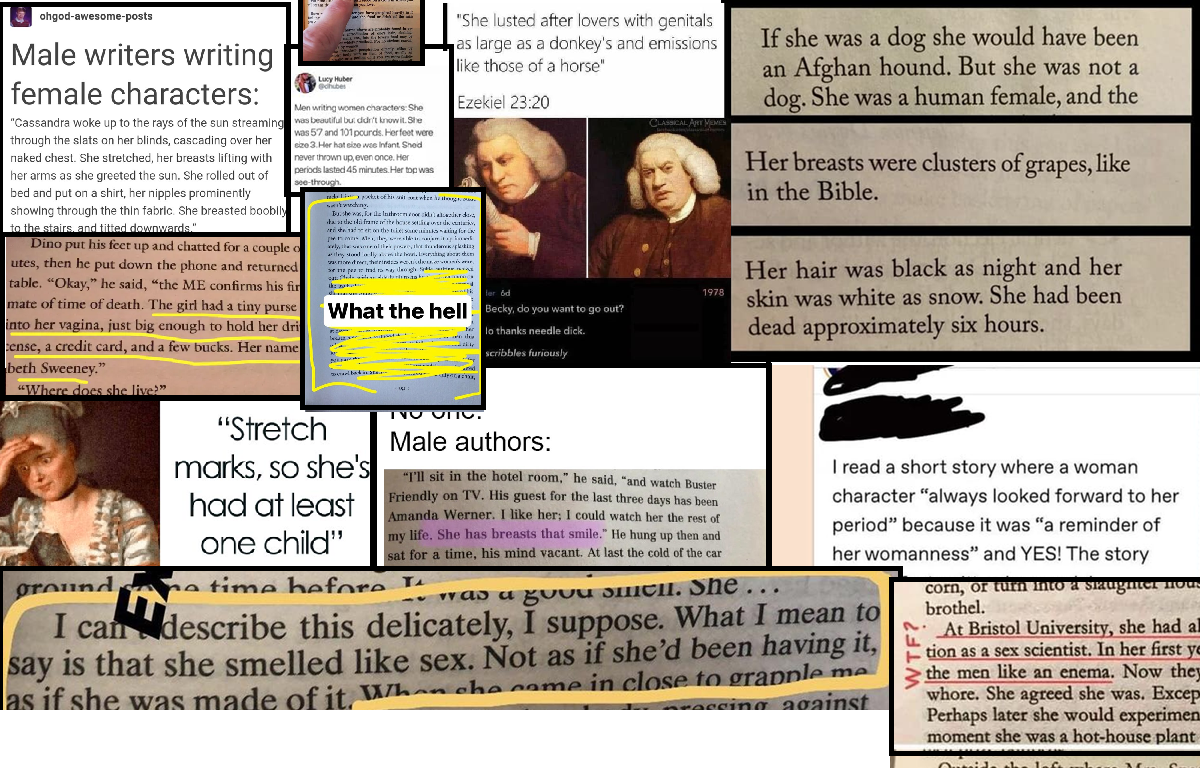
What impacted me most deeply about The Stepford Wives was how brilliantly Levin writes women. I love Joanna and Bobbie, both as individual characters and their friendship with one another. They’re energetic, sassy and smart, yet also caring and emotionally intelligent. They’re not stereotypes or male characters disguised as female, they feel like real women.
I appreciated the complexity of Joanna’s feelings towards her family too, how she adores her children (when they’re not misbehaving) yet is clearly uneasy about her dependence on her husband. She sees being a housewife as a slight on feminism and wants it be just a temporary phase of her life.
The novel highlights the unavoidable conflict of motherhood – the will to be an individual and to hold onto the former self, battling against the knowledge that life can never be like that again. Or maybe it is just the conflict of womanhood, since if you choose not to be a mother there are similar conflicts surrounding identity and worthiness to contend with, all derived from the pressure of societal expectations. Levin shows such perceptiveness of these internal conflicts that it must go beyond good writing. There is real understanding there.
While Levin both sympathises and empathises with the women characters, he dulls and simplifies the men characters in a way I don’t think I have ever come across a man write men before. They are not the main characters here, they’re not even fully believable people in some instances. They are the robots in this story.
Perhaps the only thing that has dated in this book is the women’s choice to become a housewife…but I won’t go into the complexities of that in this blog post, largely because I feel unqualified to do so.
This is the third book of Levin’s that I have read and it has cemented the fact that I adore him as a writer, and especially as a writer of women. The Stepford Wives was gripping, shocking and painfully human, a perfect novella.

Leave a Reply